Published:
Where Are the Women Behind the Hits in South Asian Music?
When we talk about the songs shaping today’s music landscape, the spotlight usually stays on the artists, the voices, the performances, the visuals. But behind every track is a team of people writing, producing, directing, curating, and building what audiences eventually hear and see.
At Sanskar Savvy, we Celebrate, Explore, Connect! through the people changing and shaping culture. This Women’s History Month, we’re looking beyond the spotlight to ask a different question.
Where are the South Asian women behind the hits?
While their music and impact are everywhere, their names are far less visible.
The Gap Behind the Sound
Within the global music industry, women remain underrepresented in key creative roles, especially in songwriting, production, and executive decision-making.
When narrowing that lens to South Asian representation, the gap becomes even more noticeable. There are fewer women in the rooms where songs are written, sounds are produced, and creative direction is decided. And even fewer whose names are recognized by audiences.
This is not a reflection of talent. It’s about access, visibility, and long-standing industry structures that have historically failed to recognize these voices.
The Women Creating Impact Right Now
Within that gap, South Asian women are actively shaping music behind the scenes. Their work may not always be front-facing, but their influence is already part of what audiences hear. And these are just a few examples of the thousands of women breaking barriers and creating change.
Anjula Acharia: Building Global Pathways for Talent
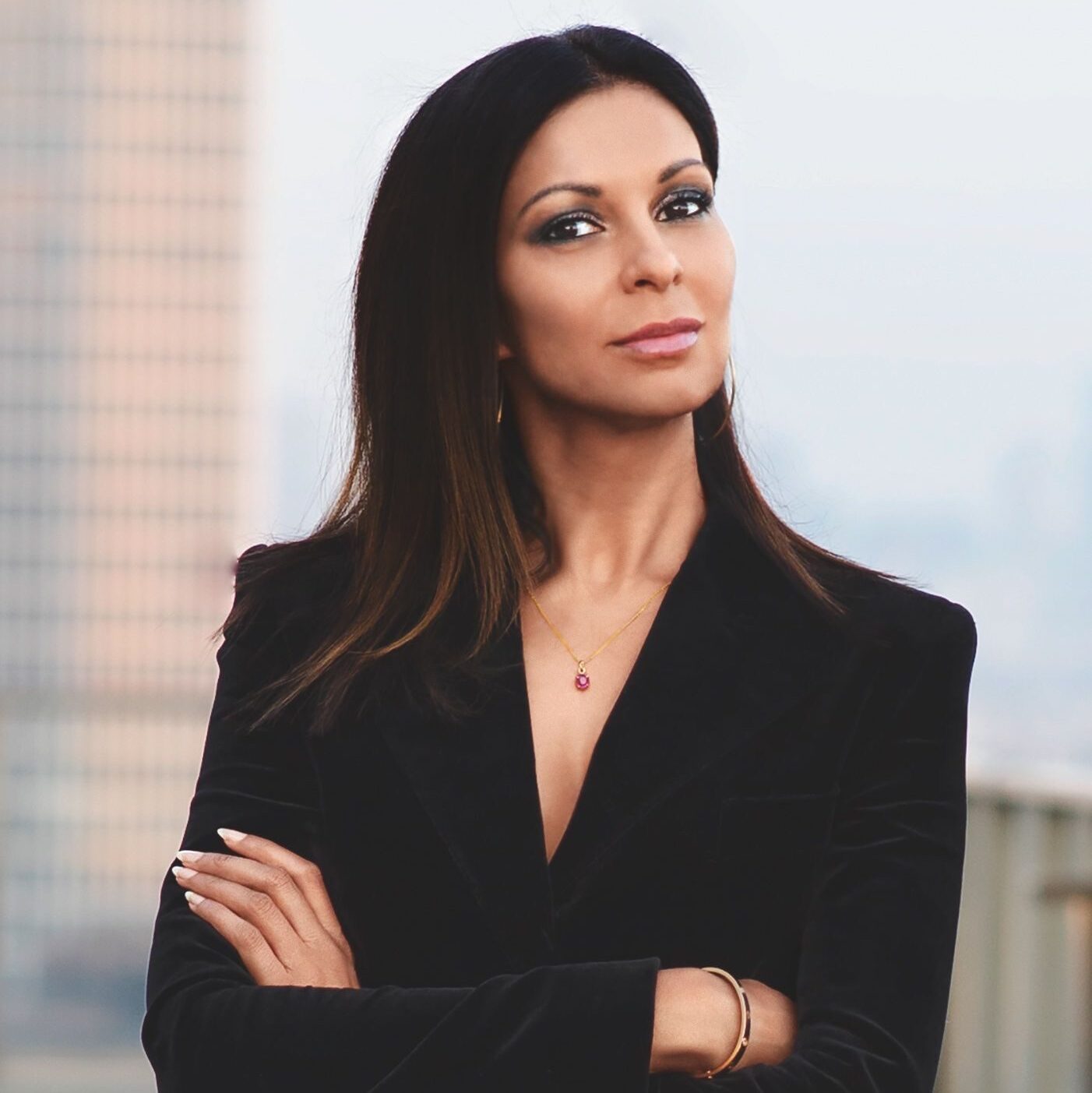
Anjula Acharia has played a major role in reshaping the perception of South Asian talent in global entertainment. As a talent manager and entrepreneur, she has helped guide actors and artists into international markets while also investing in platforms that influence culture at scale.
Her impact is not tied to a single song, but to the visibility of South Asian artists within the global music ecosystem.
Sneha Khanwalkar: Composing Soundtracks That Shift Culture
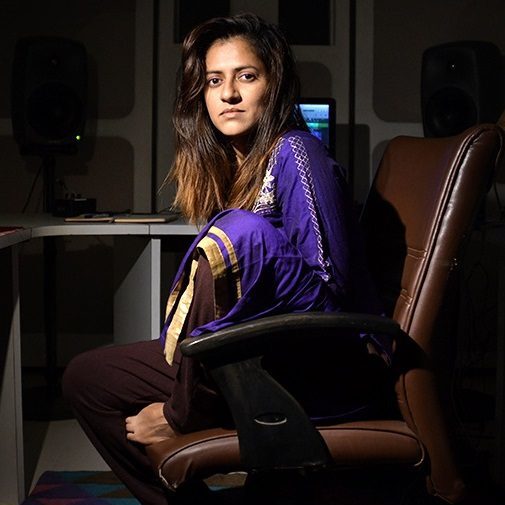
Sneha Khanwalkar is one of the few female composers in Indian cinema to build a distinct sonic identity. Her work on Gangs of Wasseypur introduced audiences to a raw, location-driven sound that stood apart from traditional film music structures.
Composers operate at the core of how songs are built, and her work shows how that role can redefine what audiences expect from a soundtrack, as well as the impact that a soundtrack can have in turning a film or series into a superhit.
Natania Lalwani: Writing Across Borders and Markets

Singer-songwriter Natania Lalwani works within global songwriting spaces, contributing to projects that connect the Indian and international music industries. Her work includes music tied to series like For More Shots Please!, where contemporary soundtracks play a key role in shaping how stories connect with modern audiences.
Her work reflects how songs are increasingly developed past borders, with writers collaborating in different markets and genres. Songwriters like her are part of a growing network shaping music designed to travel beyond a single region.
Kayan (Ambika Nayak): Creating Outside Traditional Systems
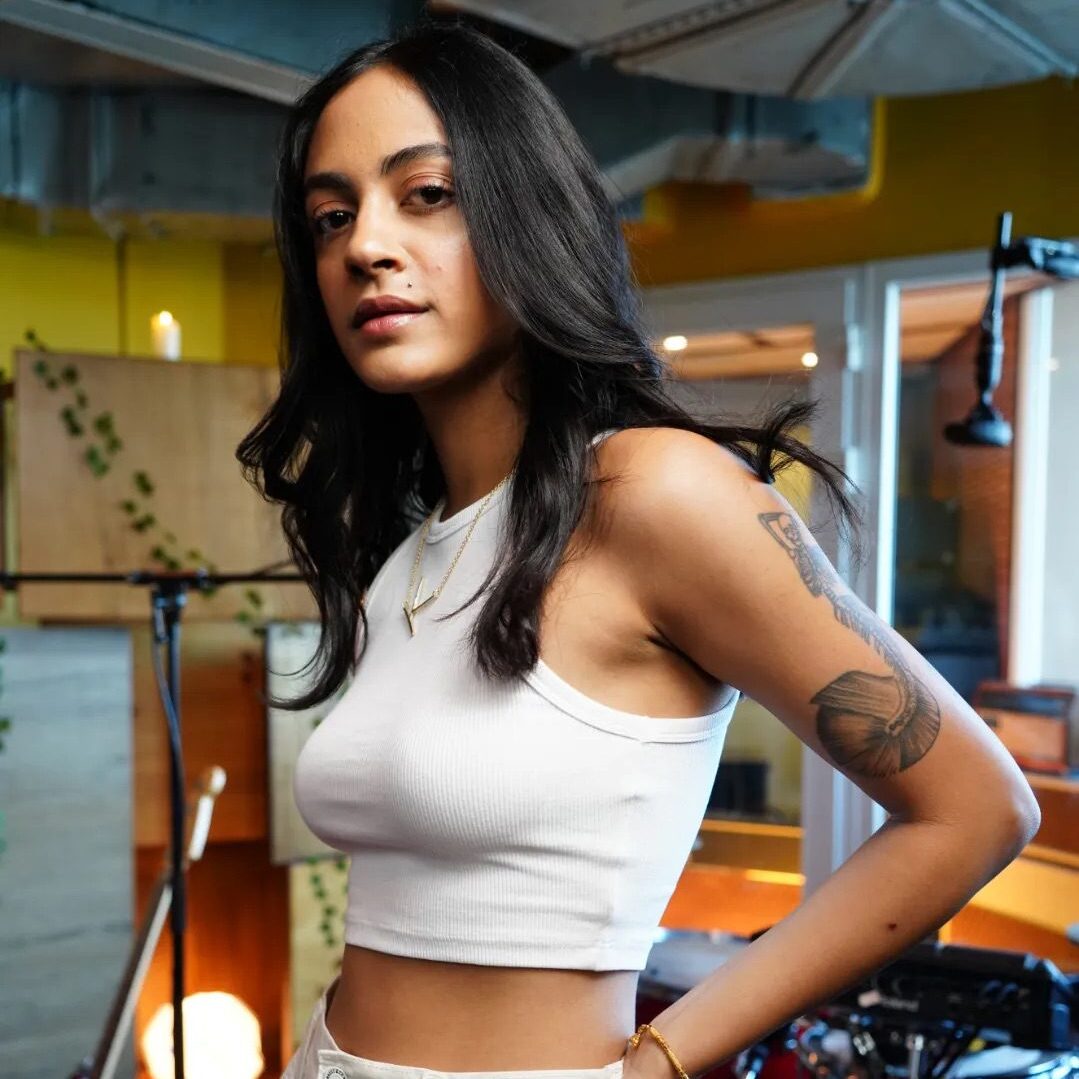
Kayan, also known as Ambika Nayak, is part of the independent model of music creation, in which artists take on production, songwriting, and creative direction themselves. As part of India’s independent music scene, she builds her work from the ground up, without relying on traditional industry structures.
In addition to her work as a musician, she is a disc jockey, a member of the group Kimochi Youkai, and a member of the electronic duo Nothing Anonymous. Her role highlights how the definition of “behind the scenes” is shifting, especially in independent ecosystems, and how independent artists can take on multiple unconventional roles.
Why Visibility Still Lags and What Comes Next
Behind-the-scenes roles have historically received less recognition, even though they are central to how music is created. Access to these spaces often depends on networks, mentorship, and industry pathways that have not always been inclusive. For South Asian women, this can mean navigating both gender and cultural barriers at the same time, with recognition often coming after impact, not alongside it.
Change will depend on more than talent. It will require expanding access to songwriting and production spaces, increasing visibility around credits, and investing in emerging voices in creative and executive roles. It also requires audiences to pay closer attention to the names behind the music, because recognition shapes opportunity.
Despite these barriers, women like those featured in this article have been breaking through for years, creating meaningful impact in the industry and contributing to music that reaches audiences around the world.
South Asian women may not always be the names audiences see first, but they are part of the foundation of the music being created today. At Sanskar Savvy, we continue to Celebrate, Explore, Connect! through the artists, creatives, and leaders shaping culture, both in front of the spotlight and behind it.
Stay Connected with Sanskar Savvy
Stay connected with Sanskar Savvy for exclusive coverage of the latest tours and for more stories on the South Asian community. For more on upcoming events, check out our event page. Additionally, check out our latest articles to stay up to date on movies, announcements, and South Asian achievements across North America.
Did we miss anyone? Drop us a tip, we’re always listening.
Want to work with us? See how you can partner with us!
Want early access and special updates? Join our Sanskar Community to stay informed about presales, giveaways, and major tour announcements. Celebrate their music, Explore their legacy, and Connect with fans across North America.
Follow us on Instagram, Facebook, LinkedIn, and YouTube to keep the celebration going.